Health impacts
Physical Impacts
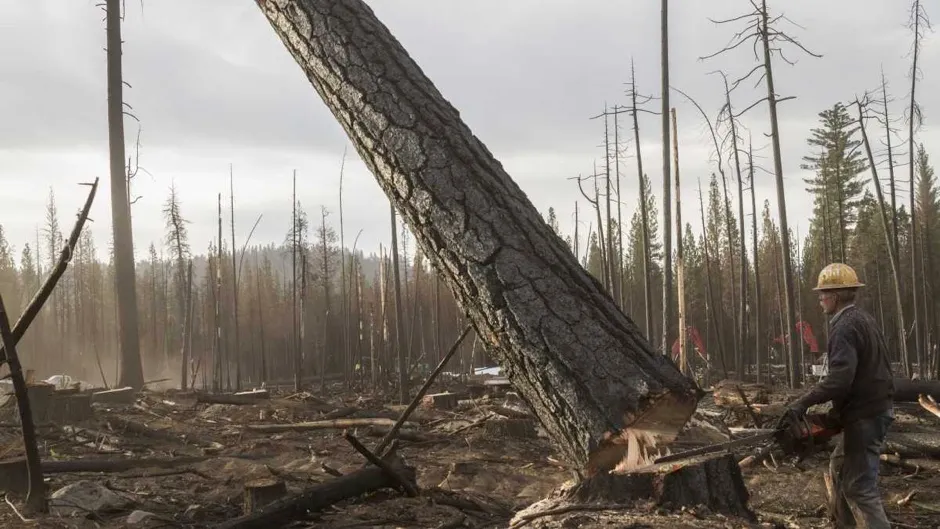
By cutting down forests, the air pollution and change in climate increases dramatically. Air pollution can cause breathing issues, increasing the chances of respiratory diseases and cardiovascular disease. Climate change causes heat related illness, increasing the spread of disease from animals to humans (WHO, 2023). This pollution can damage the food and water, which can lead to dehydration and destruction of the food web. Creating an increased demand for food worldwide. Forests help clean the air and regulate the climate, by the destruction of forests will impact the populations health majorly.
Emotional and Mental health impacts
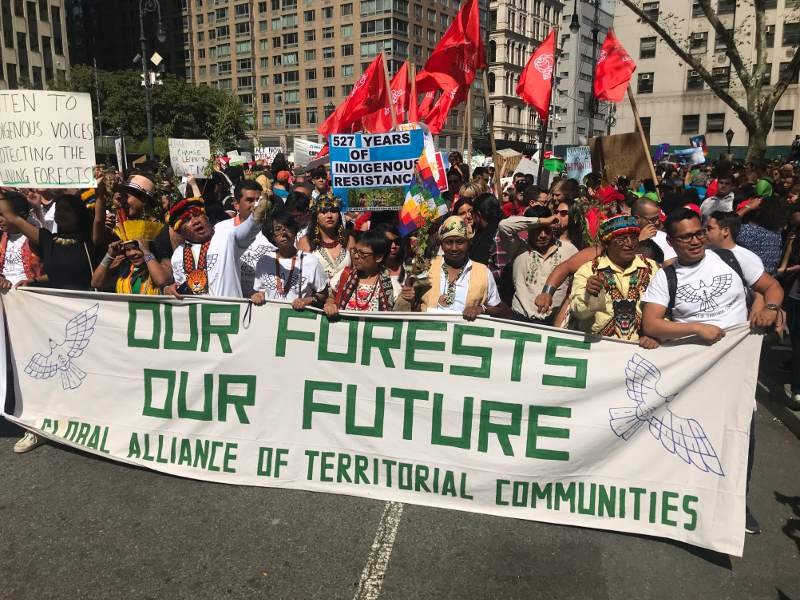
At a community level, many people rely on forests for medicine food, and clean water therefore deforestation causes a lower quality of life, especially for indigenous and rural communities (FAO, 2022). Many communities across Australia find peace in the native flora, which often calms and relaxes people. When forests are destroyed, increased stress, anxiety and fear of the future of the environment can cause illness such as depression, heart disease, stroke, high blood pressure, digestive problems and many more stress induced illnesses (APA, 2020).
Social and Spiritual impacts
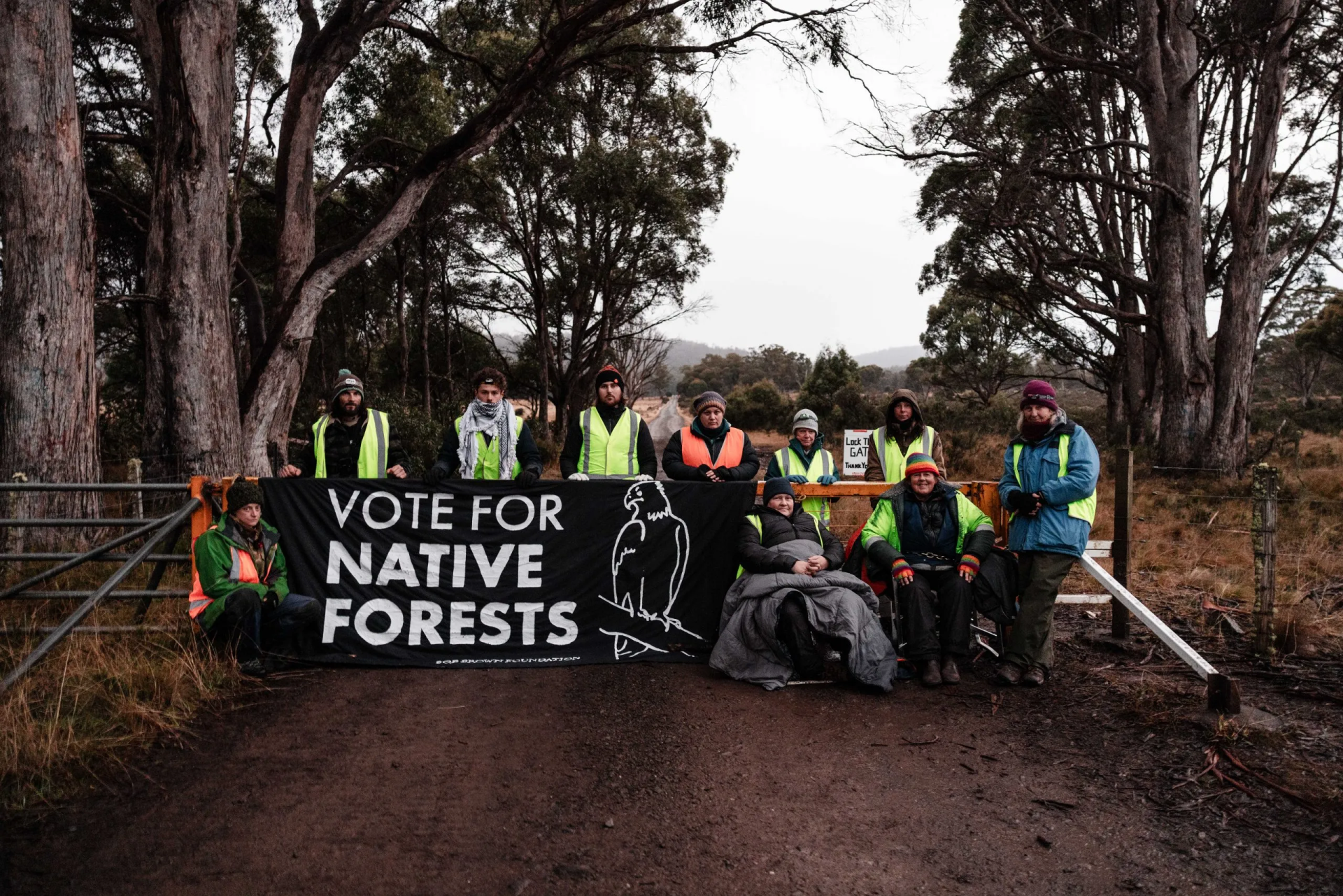
Socially, deforestation can force communities to move or create conflict between the government and what they believe in; such as tying themselves to trees, to prevent continued destruction. Also damaging peoples way of life, (UNEP, 2023). Spiritually, forests are important to many cultures like indigenous communities, by destroying forests the cultural and spiritual connections people the people and nature will be severed (UNESCO, 2021). Globally, deforestation harms biodiversity and increases the rate of climate change, which affects the health and wellbeing of humans and animals around the world and for future generations.
Create Your Own Website With Webador